Fair Policy
An abridged version of this article previously appeared in the FD
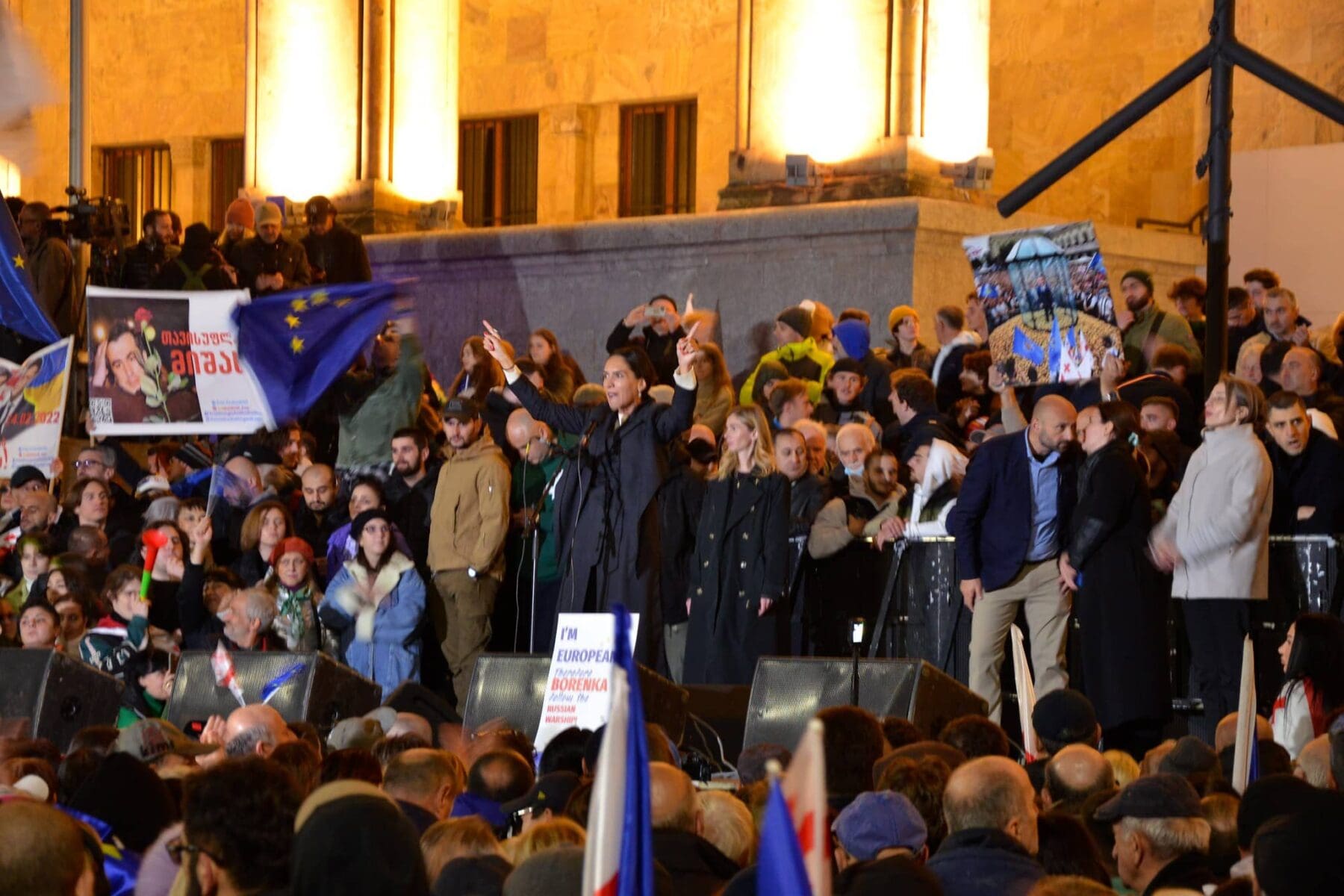
Elections were held in Georgia last week—a pivotal moment for the country’s geopolitical orientation. The election turned out to be a disappointment. A combination of voter fraud and an uneven playing field makes it highly likely that the results do not reflect the will of the Georgian people. The Georgian opposition already gathered for a large protest on Monday evening and is demanding full disclosure of the data and a possible re-election. The West is taking a wait-and-see approach and calling for further investigation. If we want to give Georgian democracy a serious chance, we must do more. At the very least, the EU and the Netherlands should not recognize these elections.
The elections in Georgia were monitored by a huge number of observers. While they report that the elections were “generally well organized,” there are plenty of caveats to consider. Intimidation around polling stations, violence, bribery, and tampering with ballots were widespread during the voting, particularly outside the major cities. Local observers reported irregularities at 91% of the polling stations they monitored. Also particularly striking was the significant discrepancy between the Edison Research exit poll and the final results. In previous elections, this polling firm had been almost spot-on. Add to this structural factors such as the highly unequal media landscape, widespread clientelism, and poor access for many diaspora voters—there is ample evidence that these elections were neither free nor fair.
Why is it important for the EU to take a stand on this issue? First, Georgia is an EU candidate country. The Georgian people deserve a fair chance to have their say about their future. This opportunity has been denied them, which will effectively put EU accession on hold indefinitely. The pro-Russian Georgian Dream party, which is claiming victory, has already shown over the past year that it has no intention of taking any steps toward accession and is fully committed to retaining power. This will lead to greater instability and unrest in Georgia in the future, and consequently in the broader region as well.
Furthermore, if we let this slide, it will be grist to the mill for politicians worldwide to manipulate elections and copy each other’s tactics. Hungarian Prime Minister Orbán visited Georgia immediately after the election to congratulate his colleagues from Georgian Dream on their “resounding victory.” As the rotating EU president, he is deliberately sowing confusion and division. The combination of an uneven political playing field and irregularities on election day has proven effective in Orbán’s Hungary in 2022, as well as in friendly Serbia in 2023. The goal of these politicians is to remain in power at any cost. Georgian Dream subtly indicated during its campaign that if it secures a constitutional majority, it intends to ban the entire opposition.
The EU and the Netherlands are still waiting to see what happens and are calling for an independent investigation. It is unclear how this can be carried out in Georgia—most institutions in the country are under the influence of the ruling party. By failing to act decisively, we are losing our self-assurance and confidence in standing up for democratic institutions such as fair and free elections. Slowly but surely, the EU is losing the pillars of democracy, at the expense of opportunistic politicians who exploit them for their own gain. Combined with disinformation campaigns and Russian interference— as seen in last week’s elections in Moldova —political instability on our continent is visibly on the rise.
The Netherlands and the EU should therefore not recognize these elections. Georgia has been granted candidate status, and 80 percent of the population wants to join the EU. If we consider fair elections to be an integral part of the EU, we cannot simply ignore the events that took place in Georgia last weekend. Otherwise, there are plenty of politicians both inside and outside the Union who are ready to repeat these tactics and further erode the Union’s democratic values.