Democracy
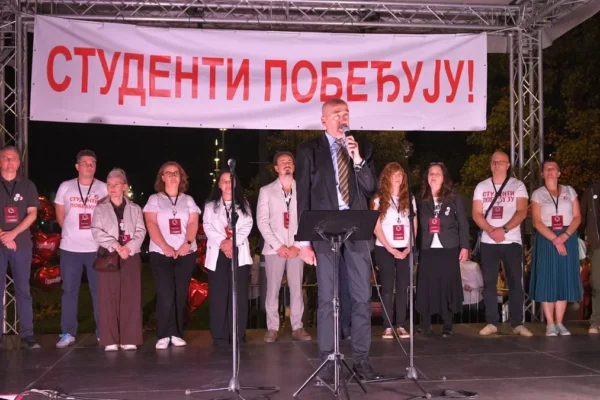
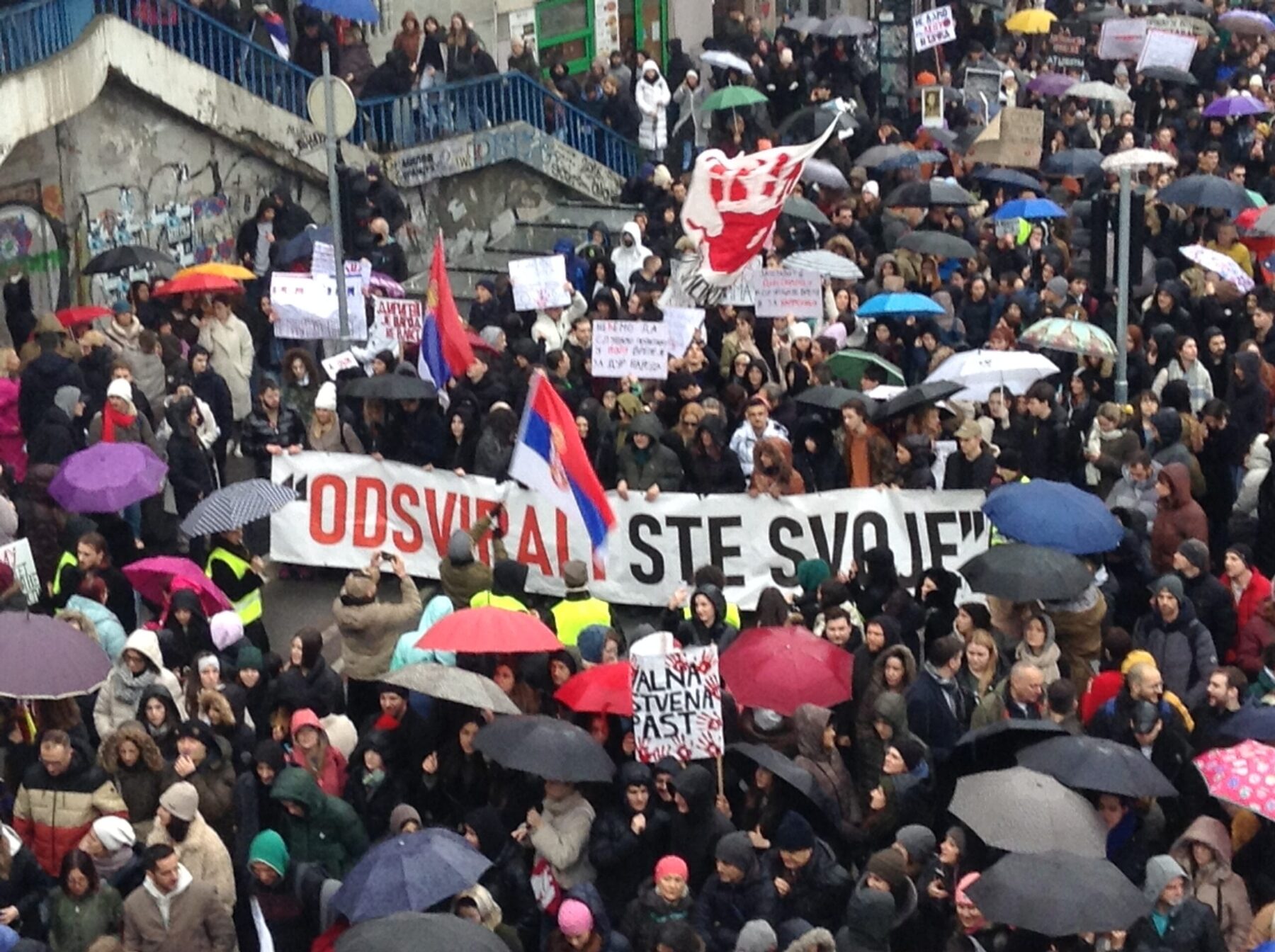
Last Saturday, May 24, one of the largest demonstrations in Serbia’s modern history took place. The demonstration was led by the student movement, which—for the past year and a half, since the disaster at the Novi Sad train station in 2024 —has been protesting continuously against corruption and the erosion of democracy under President Aleksandar Vučić and his ruling party, the SNS.
Under Vučić’s leadership, Serbia has rapidly slipped into becoming one of the most autocratic countries in Europe, according to V-Dem’s annual report: political rights and civil liberties have been steadily eroded, independent media are disappearing, and civil society is being actively undermined and suppressed. Protests in recent years have also been marked by police violence and repression: during a large rally last year, the government was accused of using a sound cannon against protesters. In local elections at the end of March, there were coordinated efforts to make it difficult for citizens to vote for opposition parties, and journalists and election observers were attacked.
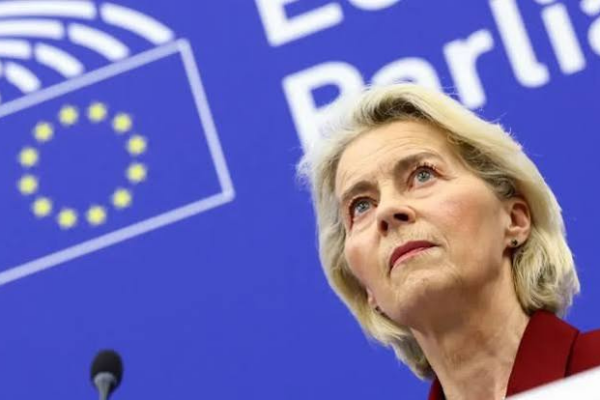
These are scenes more befitting an autocratic regime like those in Russia or Belarus, but Serbia is a candidate country for the European Union. While the country’s democratic decline has been unfolding in plain sight for years, Belgardo is still all too eager to present itself as a willing partner of the EU, claiming to embrace European values—and Brussels goes along with it. Ursula von der Leyen’s use of “Dear Aleksandar” when addressing Vučić is notorious. Geopolitical interests play a major role in the EU’s stance toward Serbia: Serbia is the most influential country in the Western Balkans, and Brussels is terrified of alienating the Serbian government too much, thereby playing into Russian influence in the region.
This leads to an ambivalent, implausible, and counterproductive stance. Progress in the European Union’s accession process is, in theory, based on meeting democratic conditions and aligning with the common foreign policy—two aspects that Serbia clearly does not meet. Nevertheless, the EU has so far responded only half-heartedly or taken few concrete measures in response to the actual democratic regression in the country. That seemed to come to an end last month after news broke that the EU was considering cutting €1.5 billion in EU aid, but the European Commission has yet to make a decision on the matter.
This situation is dangerous for two reasons. First, it is difficult to justify to the democratic movement in Serbia why the EU is taking such a weak stance against the Vučić government, despite the increasing repression and cooperation with Russia. This undermines the confidence of pro-democratic Serbian citizens that moving closer to the European Union is the right path toward a democratic future. Furthermore, a weak stance toward Vučić undermines the European Union’s accession policy in general: if other candidate countries see that Serbia retains its candidate status without meeting the EU’s democratic conditions, it increases the risk that they will feel far less motivated to implement the necessary reforms themselves.
We therefore call on the Dutch government to advocate for a much more outspoken and proactive EU stance toward Serbia—a stance that links real consequences to the increasing repression, not only in words but also in deeds. The EU and its member states should play a much more active role in supporting the Serbian democratic movement and in protecting and funding democratic civil society organizations and the independent media in Serbia. Only in this way can the EU show the Serbian people what it truly stands for.